
Import guide
Brazil is one of the biggest markets for electric warehouse trucks in Latin America. When a Brazilian distributor first contacts us, the questions are always the same: what will the trucks cost once they are in my warehouse, which documents do I need, how long does it take, and what changes if I order lithium batteries? This guide answers them as they stand in October 2026.
Brazilian tax rules change often, and the details depend on your state and your company’s tax regime. Use this as a map, and confirm the numbers with your despachante aduaneiro and your accountant before you place an order.
The tax classification
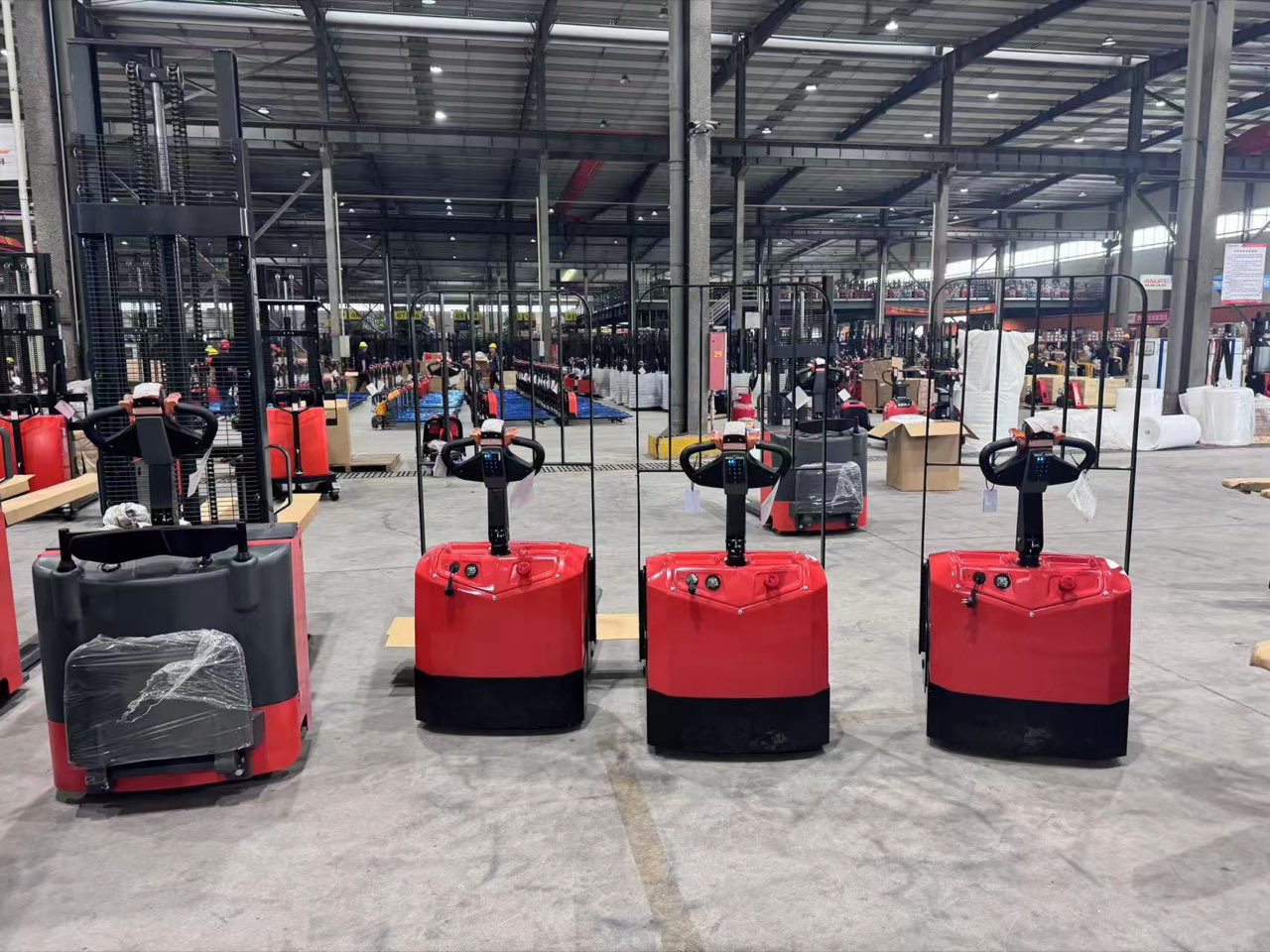
Electric pallet trucks and electric stackers are normally classified under NCM 8427.10.19: self-propelled trucks with an electric motor, fitted with lifting equipment. Manual hand pallet trucks fall under a different heading. The NCM decides every tax rate that follows, so agree it with your customs broker before the first shipment and use the same code every time.
The import taxes
These are the rates for NCM 8427.10.19 at the time of writing:
| Tax | Rate | Calculated on |
| II (import duty) | 20% | Customs value (CIF) |
| IPI | 0% | Customs value plus II |
| PIS-Importação | 2.1% | Customs value |
| COFINS-Importação | 9.65% | Customs value |
| ICMS | State rate, often 17–20% | Value plus all the taxes above, “por dentro” |
| AFRMM | 8% | Ocean freight only |
The import duty is the number that surprises people. The common Mercosur rate for this NCM is 12.6%, but since February 2026 Brazil applies 20% to a long list of capital goods under GECEX Resolution 852/2026, and electric forklift trucks are on it. An Ex-tarifário can bring the duty down to 0% for machines with no Brazilian equivalent, but the ones in force for this NCM cover specific trucks such as reach trucks, order pickers and large counterbalanced forklifts. A standard walkie pallet truck or stacker will normally pay the full rate.
A worked example
Take a shipment with a customs value of USD 10,000, cleared in a state with 17% ICMS:
| Item | Amount (USD) |
| Customs value (CIF) | 10,000 |
| II, 20% | 2,000 |
| PIS, 2.1% | 210 |
| COFINS, 9.65% | 965 |
| ICMS, 17% calculated “por dentro” | 2,698 |
| Taxes at the border | 5,873 |
On paper, the taxes come to almost 60% of the value of the goods. In practice a distributor that resells the trucks usually recovers much of the ICMS, PIS and COFINS as tax credits, depending on its tax regime. The real cost that stays with you is mainly the import duty, the AFRMM and the clearance fees. Your accountant can tell you which credits apply to your company.
Two more points worth raising with your accountant. Many importers clear through the ports of Santa Catarina (Itajaí, Navegantes, Itapoá) because of the state’s ICMS incentive programme for importers, and imported goods sold to another state carry a 4% interstate ICMS rate. And 2026 is the test year of Brazil’s tax reform: the new CBS and IBS taxes will gradually replace PIS, COFINS and ICMS from 2027.
Before the first order
- RADAR. Your company must be authorised to import in Siscomex (habilitação no RADAR), in the right category for the value you plan to import. If you are not yet authorised, a trading company can import on your behalf (importação por conta e ordem) while you apply.
- Product catalogue and DUIMP. Brazil is replacing the old import declaration (DI) with the DUIMP, step by step through 2026. Under the DUIMP every product must be registered in the Catálogo de Produtos with its NCM and technical attributes. Send us your list of models early and we will give your broker the descriptions and specifications for it.
- Your customs broker. Choose one who already clears machinery, and if you order lithium, one who handles dangerous goods.
The documents we send
- Commercial invoice and packing list, with model, quantity, weights and the Incoterm.
- Bill of lading, issued by the shipping line once the container is on board.
- Certificate of origin, if your broker asks for it. China has no tariff agreement with Mercosur, so it does not reduce the duty.
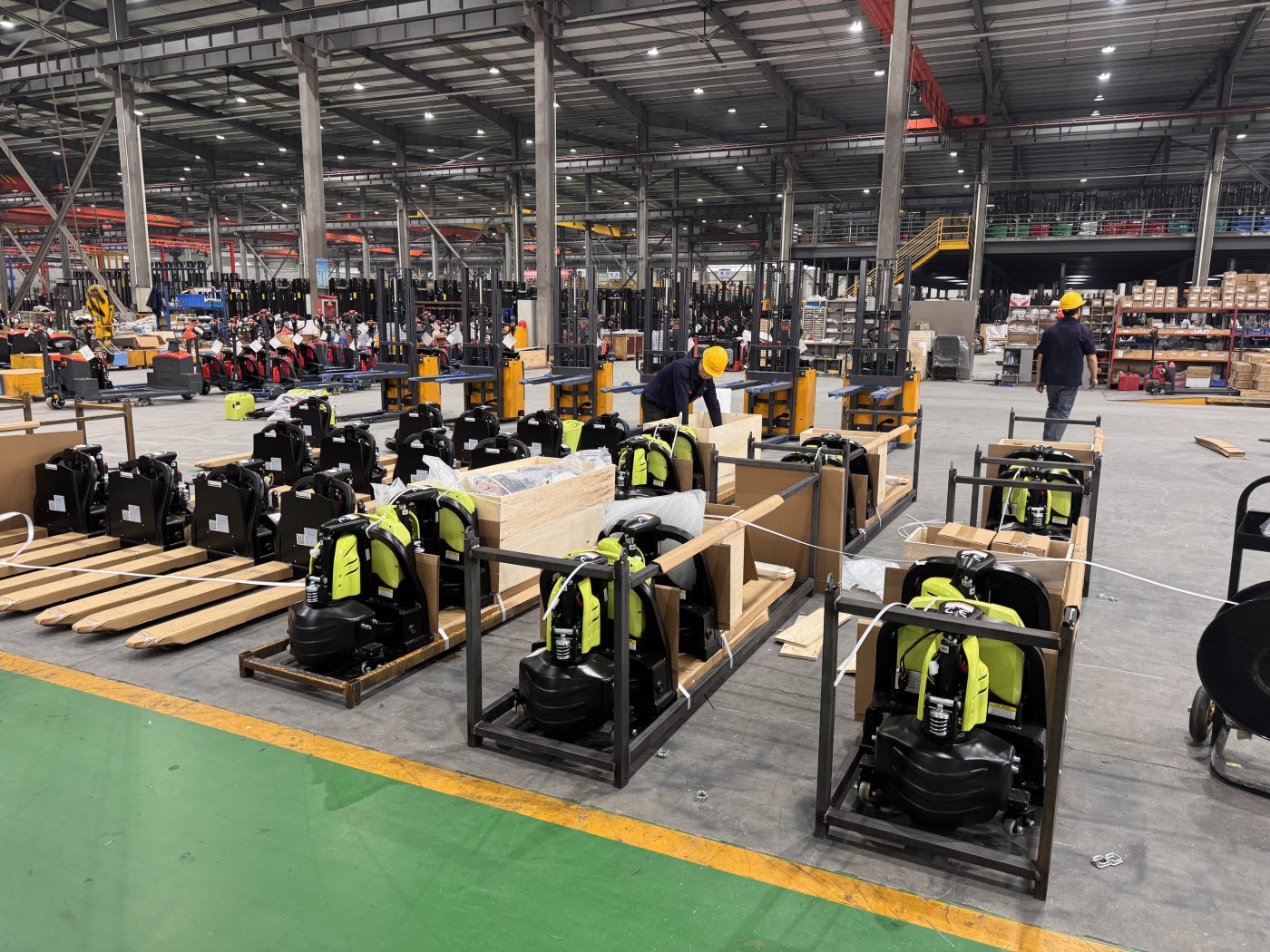
- ISPM 15 wooden packing. Brazil’s agriculture ministry (MAPA) inspects wooden crates and pallets. Untreated or unstamped wood is treated, destroyed or sent back at the importer’s cost. Ask your supplier to confirm that every crate and pallet carries the ISPM 15 stamp.
- Manuals and chargers for Brazil. Ask for manuals in Portuguese, and tell us your mains voltage (127 V or 220 V, depending on the region) so the chargers are supplied to match. Brazilian sockets use the Type N plug.
Lithium batteries: the extra steps
A lithium battery travels as Class 9 dangerous goods, whether it is fitted to the truck or packed on its own. For a shipment to Brazil, that means:
- The whole container becomes a dangerous-goods booking. One lithium truck in a mixed container is enough. Since January 2026, lithium trucks are declared as UN 3556.
- Booking takes longer. The shipping line must approve it, and not every sailing to Brazil accepts Class 9. Allow an extra week.
- Freight costs more. Lines add a dangerous-goods surcharge, and Brazilian terminals charge for dangerous-goods handling. Inland transport must be done by a carrier licensed for dangerous goods.
- More documents. We supply the UN 38.3 test summary, the safety data sheet and the transport classification report. Your broker will also want a safety data sheet in Portuguese (FISPQ, to ABNT NBR 14725). Ask us for it before shipment, not after the container arrives.
- Battery rules. Lead-acid batteries come under CONAMA Resolution 401/2008, which gives importers collection and recycling obligations. Your broker may also ask about IBAMA registration for lithium packs. Check both with your broker before the first order.
The paperwork is done once per shipment, and the trucks then run for years without battery watering or a charging room. Two practical choices make it easier: put all lithium trucks and spare packs in one container rather than spreading them across shipments, or order your very first container with lead-acid batteries and move to lithium once your broker and forwarder have the routine. Our guide to shipping lithium pallet trucks covers the dangerous-goods rules in full.
Freight and transit time
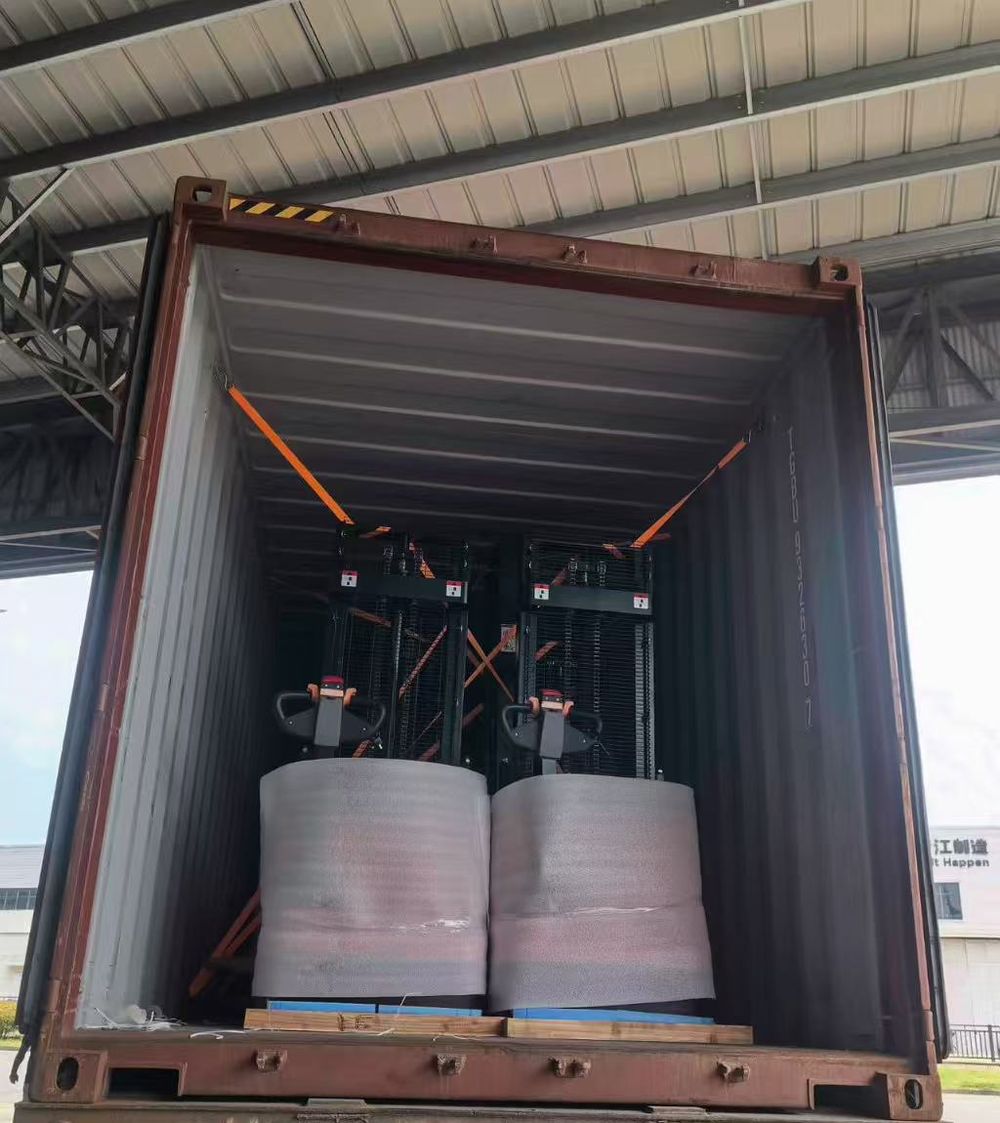
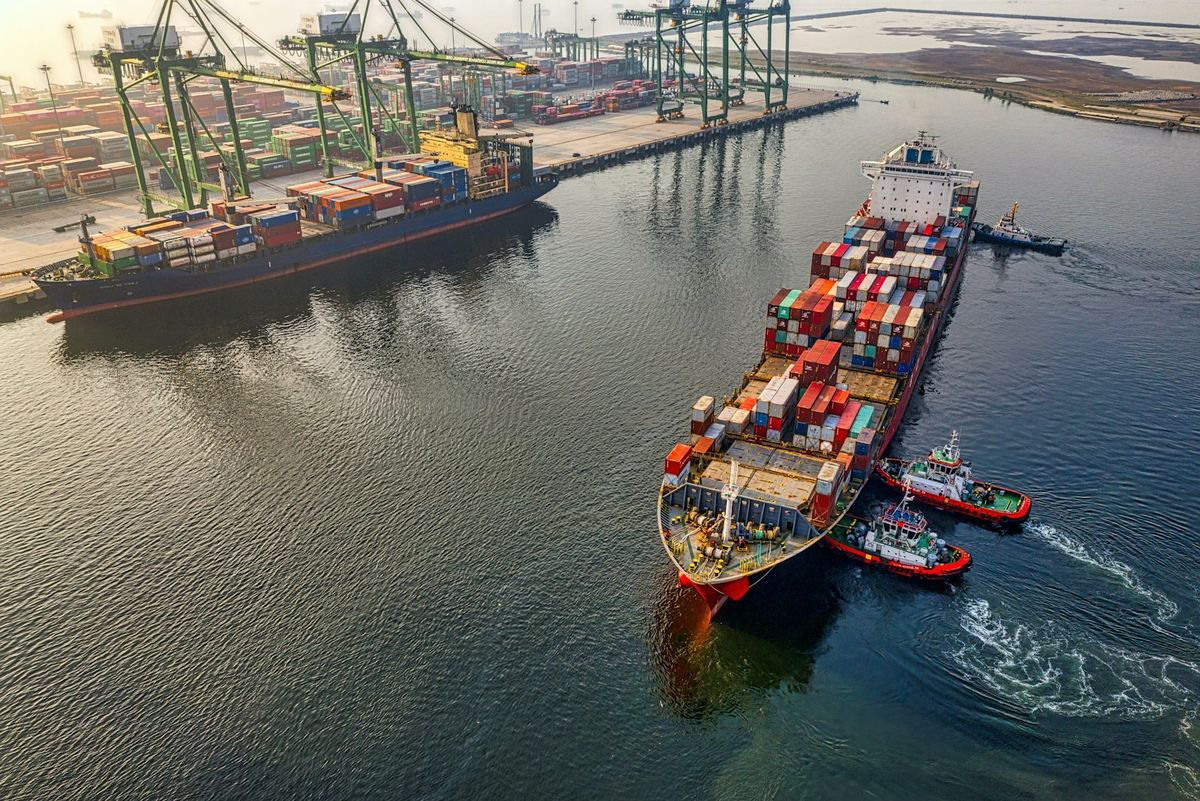
We quote FOB Shanghai. The main destination ports are Santos (São Paulo), Paranaguá (Paraná) and Itajaí, Navegantes or Itapoá (Santa Catarina). Sea time is around 35 to 40 days, longer with a transshipment.
Ocean freight from China to Brazil changes from month to month, so ask your forwarder for an all-in quote to your warehouse: freight, any dangerous-goods surcharge, terminal handling, AFRMM, storage, broker’s fees and inland trucking. Check the free time the line gives you at the destination too. If the container is selected for inspection, storage and demurrage start to count.
Customs clearance
Once the declaration is registered, the system assigns a channel:
| Channel | What happens |
| Green | Released without checks, usually within a day or two |
| Yellow | Documents are checked |
| Red | Documents and the goods are physically inspected; expect a week or more |
| Grey | Customs value is investigated; this can take much longer |
New importers and new products are more likely to be selected for inspection. Consistent descriptions across invoice, packing list, catalogue and declaration are the best way to keep the clearance short. For a first shipment, plan on one to two weeks from arrival to release.
How long it all takes
From order to your warehouse, allow around three months for a first order: production, booking (a little longer for lithium), 35 to 40 days at sea, clearance and inland delivery. Orders that need to arrive in the first quarter should be placed early, because Chinese factories and ports close for Chinese New Year.
A checklist for Brazilian buyers
- Is your company authorised in RADAR, or will a trading company import for you?
- Has your broker confirmed the NCM and registered the products in the catalogue?
- Have you asked your accountant which tax credits you can recover?
- Lead-acid or lithium, and does your forwarder accept lithium to your port?
- Which port, and what is the all-in cost to your warehouse?
- Your mains voltage, for the chargers, and manuals in Portuguese
- Which wear parts to add to the container while it is cheap to do so
We work with distributors across Latin America, including Brazil and Peru. Send us your models, quantities and destination port and we will prepare the quotation and the product data your broker needs. You can also read this site in Portuguese, or see importing warehouse equipment from China for container loads and lead times, and our electric pallet trucks.